
Rwanda
Kigali
Booming sustainable eco-tourism and prime gateway to gorilla treks.
Photo of Kigali by Jean Claude Akarikumutima on Unsplash
The short version
Before you plan Kigali
Kigali, the hill-strewn capital of Rwanda, is an exceptionally clean, orderly, and secure East African metropolis that serves as the nation's political and cultural center. Rather than a bustling transit hub, it offers an introspective urban break anchored by memorial sites documenting the 1994 genocide against the Tutsi, a burgeoning contemporary arts landscape, and a flourishing single-origin coffee culture. The city suits independent travellers seeking safe, walkable residential quarters, design-led social enterprises, and an accessible introduction to modern East African civic life before continuing onward to national park expeditions.
- Best time
- June to September and mid-December to February (dry seasons)
- Trip length
- 2 to 3 days
- Currency
- Rwandan Franc (RWF)
Practicalities
Know before you go
Best time to visit
June to September and mid-December to February (dry seasons)
Typical trip length
2 to 3 days
Getting around
Metered motorcycle taxis (motos), ride-hailing apps (Move, Yego), and cashless public city buses
Language
Kinyarwanda, English, French, Swahili
Currency
Rwandan Franc (RWF)
Time zone
Central Africa Time (UTC+2)
How busy it gets
Moderate year-round, peaking in dry months (June–August, December) aligned with national park trekking seasons
Approximate daily budget
Per person, per day. Approximate and season-dependent.
- Budget
- 35,000 - 65,000 RWF ($25 - $50 USD)
- Mid-range
- 100,000 - 250,000 RWF ($75 - $190 USD)
- Premium
- 400,000+ RWF ($300+ USD)
Character
What Kigali is actually like
Culture & history
Powerful historical landmarks like the Kigali Genocide Memorial provide foundational insight into national reconciliation and collective memory.
Café culture
Specialty coffee houses across central districts brew high-grade local arabica alongside locally roasted beans.
Arts & design
Community-driven galleries like Inema Arts Center and Ivuka Arts showcase contemporary East African painting, sculpture, and dance.
Food
Dining centers around charcoal-grilled goat brochettes, whole tilapia, and an expanding mix of pan-African and European bistros.
Nature
The restored Nyandungu Urban Wetland Eco-Tourism Park and rolling ridges offer landscaped green belts and birding within the city boundary.
Nightlife
Evenings feature open-air gastro-lounges, live acoustic music, and social drinking spots spread across Kimihurura and Remera.
Where to base yourself
Areas to know
Kimihurura
A tranquil, leafy enclave housing numerous international embassies, high-end cocktail bars, and international dining options.
DiningCocktailsQuiet stays
Nyamirambo
One of Kigali's oldest and most energetic quarters, characterized by bustling commercial streets, milk bars, mosques, and walking tours.
Street cultureWalking toursLocal food
Kiyovu
A secure, historic district on the central ridge filled with government residences, paved avenues, and boutique accommodations.
Upscale staysCity viewsCentral access
Nyarutarama
A wealthy northern residential suburb set around an artificial lake and golf course, featuring modern cafes and boutique fitness spaces.
Upscale cafesNature walksExpat hubs
Remera
A lively transport and entertainment node near Amahoro Stadium and BK Arena, driven by local pubs, budget lodges, and street food.
NightlifeLive eventsBudget lodging
Local know-how
Good to know
- Community work (Umuganda) occurs on the last Saturday morning of each month (07:00–11:00); businesses, restaurants, and public transit pause until midday.
- Non-biodegradable polythene plastic bags are strictly prohibited in Rwanda and will be confiscated at airport customs.
- Motorcycle taxi passengers are legally required to wear a helmet; consider packing a light bandana or hair cover for sanitary comfort.
- Mobile money (MTN MoMo or Airtel Money) and contactless debit/credit cards are widely accepted even by small vendors, reducing the need for heavy cash reserves.
- Municipal cleanliness laws are strictly enforced; avoid dropping any litter or walking across manicured roadside grass medians.
Is it your kind of trip?
What kind of trip Kigali is
Great for
- Modern history and memorial research
- Independent solo travellers prioritizing safety
- Specialty coffee connoisseurs
- Contemporary African art collectors
Good if you prefer
- Orderly and calm urban environments
- Cashless, mobile-friendly payment systems
- Low air pollution and pedestrian-friendly main streets
Consider if you want
- You require high-density historic architecture or centuries-
- You prefer chaotic, 24-hour street markets over regulated ci
Where this comes from
- Visit Rwanda (Rwanda Development Board) — retrieved 2026-11-09
- City of Kigali Official Portal — retrieved 2026-11-09
Watch first
Kigali on video

RWANDA TRAVEL (2026) | 10 BEST Places & Things To Do In Rwanda (+ Travel Tips)
World Wild Hearts

10 Days of Solo Travel in Kigali, Rwanda (What It’s Really Like)
Eric Claggett

Top 10 Best Things to do in Rwanda [Rwanda Travel Guide 2024]
Vacation Idea

Top 10 Best Things to do in Rwanda - Travel Guide 2026
Exploriva Travel

ACTIVITIES TO DO IN KIGALI , RWANDA | TRAVEL ITINERARY IN KIGALI
Queen Tracy | Lifestyle & Travel creator
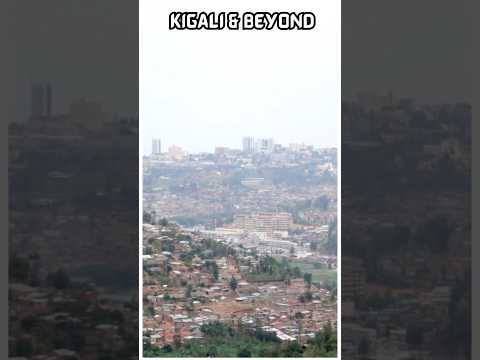
Top 12 Cheap & Free Things to Do in Kigali, Rwanda | Kigali Travel Guide 2025 #travel #adventure
Epic Escapades
Your itinerary
Start your Kigali itinerary
Free to start, no card needed. Your first draft usually takes about a minute.
Plan Kigali free- A day-by-day route shaped around your dates, pace, interests and travel companions.
- Researched cost ranges and travel times for each stop, so a day is realistic.
- Short review excerpts quoted from public sources, each with a link to the original.
- An interactive map with numbered stops and the route between them for every day.
- Full editing control: reorder, swap or lock any item and let the AI reshape the rest.