
Colombia
Medellín
Thriving nomad hub with eternal spring weather.
Photo of Medellín by Juan Saravia on Unsplash
The short version
Before you plan Medellín
Medellín, set in the narrow Aburrá Valley of the Colombian Andes, is celebrated for its temperate mountain climate, transformative transit infrastructure, and distinct Paisa identity. Once plagued by cartel violence, the city has reinvented itself into a prominent South American hub for urban innovation, social resilience, and contemporary arts. Serving primarily as an urban cultural, cafe, and nightlife destination, it attracts remote workers, solo travelers, and cultural explorers interested in grassroots community reinvention, modern Latin American art, and accessible highland nature. Its combination of an elevated metro system, high-altitude cable cars, and dense neighborhood dining clusters makes navigating the mountain topography efficient for independent travelers.
- Best time
- December to March for the driest weather; late July to early August for the Feria de las Flores
- Trip length
- 4 to 6 days
- Currency
- COP (Colombian Peso)
Practicalities
Know before you go
Best time to visit
December to March for the driest weather; late July to early August for the Feria de las Flores
Typical trip length
4 to 6 days
Getting around
Metro de Medellín, Metrocable gondolas, Tranvía, and ride-hailing apps
Language
Spanish
Currency
COP (Colombian Peso)
Time zone
UTC-5
How busy it gets
Moderate year-round, peaking during December holidays and the August Flower Festival
Approximate daily budget
Per person, per day. Approximate and season-dependent.
- Budget
- 150,000 - 250,000 COP
- Mid-range
- 350,000 - 700,000 COP
- Premium
- 900,000+ COP
Character
What Medellín is actually like
Nightlife
Dense clusters of rooftop cocktail lounges, reggaeton clubs, and lively traditional salsa bars stay active well into the morning hours.
Café culture
Positioned near primary growing regions, the city features hundreds of specialty roasters serving single-origin Antioquian beans.
Arts & design
Monumental Botero bronze statues, world-class street murals in Comuna 13, and independent design galleries define the visual landscape.
Nature
Steep forested mountain ridges encircle the urban floor, connecting directly to the high-elevation cloud forests of Parque Arví via cable car.
Culture & history
Public library parks, memory museums, and grassroots community enterprises document a deep civic trajectory of social resilience.
Food
Plates range from substantial rural staples like bandeja paisa to upscale tasting menus highlighting native Colombian biodiversity.
Where to base yourself
Areas to know
El Poblado (Provenza & Manila)
The primary international hub for boutique accommodation, high-density nightlife, and specialty coffee shops, with quieter residential streets tucked inside Manila.
Boutique HotelsNightlifeSpecialty Dining
Laureles
A flat, pedestrian-friendly residential neighborhood arranged in concentric avenues, favored for its tree-shaded streets, coworking spots, and neighborhood cafes.
WalkabilityDigital NomadsRelaxed Cafes
Envigado
A separate municipality directly south of El Poblado that preserves a low-rise village layout with bustling community plazas and traditional Antioquian eateries.
Local LivingTraditional FoodQuiet Stays
La Candelaria (El Centro)
The high-energy commercial center featuring Plaza Botero, historical churches, and outdoor trading markets, practical for daytime cultural tours.
MuseumsBotero SculpturesTransit Hub
Belén
An authentic, working-class Paisa district west of the river offering budget long-term apartments, local street markets, and access to Cerro Nutibara.
Budget StaysLocal MarketsPark Access
Local know-how
Good to know
- Obtain a rechargeable Cívica card at major Metro service points (such as San Antonio or San Javier stations) using your passport, as single paper tickets are no longer sold.
- Medellín's municipal tap water supplied by EPM meets stringent potable standards and is safe to drink directly from the faucet.
- Sit-down restaurants standardly add a voluntary 10% service charge ('propina voluntaria') to the bill; waitstaff will ask for verbal confirmation before processing the payment.
- Carry cash in smaller denominations (10,000 to 20,000 COP) for neighborhood convenience stores, yellow street taxis, and Comuna walking tours, as card readers are rare there.
- Despite daytime warmth around 28°C (82°F), local urban dress leans conservative; long pants and closed-toe footwear are the norm in public spaces outside hostel pool lounges.
Is it your kind of trip?
What kind of trip Medellín is
Great for
- Urban regeneration and public transit enthusiasts
- Independent coffee culture explorers
- Remote workers seeking walkable creative neighborhoods
Good if you prefer
- Consistent spring-like mountain temperatures
- Clean, efficient elevated rail and cable car connections
- Late-night dining and active social hubs
Consider if you want
- You are uncomfortable managing street-smart safety protocols
- You prefer quiet, low-noise urban centers free from motorcyc
Where this comes from
- Medellín Travel - Guía Oficial de Turismo — retrieved 2026-09-21
- Metro de Medellín — retrieved 2026-09-21
- Alcaldía de Medellín — retrieved 2026-09-21
Watch first
Medellín on video

How to Spend 3 Days in MEDELLIN Colombia | Travel Itinerary
Exotic Vacation

MEDELLIN, COLOMBIA (2025) | 12 Best Things To Do In & Around Medellín (+ Travel Safety Tips)
World Wild Hearts

Top 10 Things To Do Medellin & Gautape | Local Woman Shows Me Around
Kemoy Martin
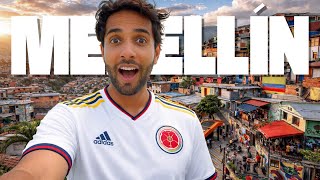
Best Things To Do in Medellin (in under 10 minutes) 🇨🇴
Kiran Goes Places

ESSENTIAL Things to Do in MEDELLIN, Colombia | 7 Day Itinerary
AK Joel's Colombia

Why Everyone is Visiting Medellin, Colombia: Perfect 5 Day Trip
Eat See TV
Your itinerary
Start your Medellín itinerary
Free to start, no card needed. Your first draft usually takes about a minute.
Plan Medellín free- A day-by-day route shaped around your dates, pace, interests and travel companions.
- Researched cost ranges and travel times for each stop, so a day is realistic.
- Short review excerpts quoted from public sources, each with a link to the original.
- An interactive map with numbered stops and the route between them for every day.
- Full editing control: reorder, swap or lock any item and let the AI reshape the rest.