
Mexico
Oaxaca
Surging culinary fame and rich indigenous traditions.
Photo of Oaxaca by Krzysztof on Unsplash
The short version
Before you plan Oaxaca
Oaxaca de Juárez, nestled in Mexico's Central Valleys, is an inland cultural and culinary hub renowned for indigenous Zapotec and Mixtec heritage, colonial architecture of green quarry stone, and foundational regional gastronomy. Built around the sixteenth-century Templo de Santo Domingo and bustling municipal markets, the city serves as a launchpad for exploring pre-Columbian ruins like Monte Albán and traditional craft villages. It is an immersive cultural break ideally suited to independent culinary travelers, textile collectors, and archaeology enthusiasts. Rather than offering resort-style relaxation or late-night clubbing, Oaxaca delivers a slower, artisanal tempo centered on mezcal tastings, market dining, street art galleries, and historic exploration.
- Best time
- October to April (dry season; peak events in late October and July)
- Trip length
- 4–6 days
- Currency
- Mexican Peso (MXN)
Practicalities
Know before you go
Best time to visit
October to April (dry season; peak events in late October and July)
Typical trip length
4–6 days
Getting around
Walkable central area; local taxis, DiDi rideshare, and colectivos for surrounding villages
Language
Spanish (with regional indigenous languages including Zapotec and Mixtec)
Currency
Mexican Peso (MXN)
Time zone
UTC-6 (America/Mexico_City)
How busy it gets
Moderate year-round; reaches extreme peak capacity during Día de los Muertos, Guelaguetza, and Holy Week
Approximate daily budget
Per person, per day. Approximate and season-dependent.
- Budget
- 700–1,200 MXN
- Mid-range
- 1,800–3,500 MXN
- Premium
- 4,500–10,000+ MXN
Character
What Oaxaca is actually like
Food
Widely recognized as Mexico's culinary capital, the city is defined by distinct mole varieties, tlayudas, quesillo, and traditional artisanal mezcalerías.
Culture & history
Living Zapotec and Mixtec customs seamlessly integrate into daily life through traditional festivals, neighborhood calenda parades, and historic sacred sites.
Arts & design
Independent graphic printmaking collectives, contemporary galleries, and ancient textile traditions define the urban creative landscape.
Shopping
Sprawling municipal markets and specialized craft cooperatives provide direct access to hand-loomed rugs, black pottery, and embroidered garments.
Café culture
Independent specialty roasters serve high-altitude single-origin beans sourced directly from the surrounding Sierra Sur, Pluma Hidalgo, and Mixteca regions.
Romantic
Restored colonial courtyards, cobblestone lanes, and candlelit rooftop terraces overlooking historic domes create an atmospheric backdrop for couples.
Where to base yourself
Areas to know
Centro Histórico
The monumental core surrounding the Zócalo and Santo Domingo, containing the major museums, colonial churches, and lively markets.
First-time visitorsSightseeingDining
Barrio de Jalatlaco
A quiet, pedestrian-friendly enclave east of downtown paved with rounded cobblestones, adorned with vivid street murals, and dotted with specialty cafes.
Quiet staysCafesPhotography
Barrio de Xochimilco
The city's oldest barrio, recognized for the arches of its eighteenth-century stone aqueduct, family-run textile workshops, and peaceful atmosphere.
TextilesLocal characterArchitecture
Colonia Reforma
A modern, upscale residential and commercial sector north of the historic core that features contemporary restaurants, bakeries, and everyday services without tourist foot traffic.
Contemporary diningLong-term stays
San Felipe del Agua
A residential foothills district at the northern edge of the city featuring quiet boutique estates, lush gardens, and proximity to mountain trailheads.
Secluded luxuryNature access
Local know-how
Good to know
- Always carry physical cash in Mexican pesos, as family fondas inside markets, market stalls, taxis, and craft artisans in outlying villages rarely accept card payments.
- Do not drink the municipal tap water; rely exclusively on bottled or purified water provided in hotels and restaurants for drinking and brushing teeth.
- Schedule your day around traditional meal hours: the primary meal of the day (comida) occurs between 2:00 PM and 4:30 PM, and traditional market eateries often close by early evening.
- Reserve reservations at high-demand contemporary restaurants and boutique accommodations several months in advance if traveling during late October through early November or mid-July.
- To visit peripheral craft villages like Teotitlán del Valle or San Bartolo Coyotepec, take shared maroon-and-white colectivo taxis from designated departure points near the Central de Abastos.
Is it your kind of trip?
What kind of trip Oaxaca is
Great for
- Culinary travelers
- Folk art and textile collectors
- Archaeology and history buffs
- Independent cultural explorers
Good if you prefer
- Navigating historic districts on foot
- Eating street food and traditional market meals
- Direct engagement with working artisans
- Artisanal regional spirits like mezcal
Consider if you want
- You require high-speed municipal transit networks rather tha
- You are seeking immediate ocean access or resort environment
- You have difficulty navigating uneven cobblestone streets an
Where this comes from
- Secretaría de Turismo del Gobierno del Estado de Oaxaca — retrieved 2026-09-21
- Secretaría de Turismo de Oaxaca - Portal de Gobierno — retrieved 2026-09-21
- Instituto Nacional de Antropología e Historia — retrieved 2026-09-21
Watch first
Oaxaca on video

OAXACA CITY, MEXICO | 10 Best Things To Do In & Around Oaxaca City
World Wild Hearts

4 Days in Oaxaca: The BEST City in Mexico! (Travel Guide)
Eat See TV

9 BEST Things to do in Oaxaca, Mexico | Oaxaca Tourism and Travel Guide | Top Attractions
Before You Go
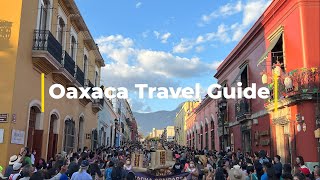
Oaxaca Travel Guide – All You Need to Know for a Great One Week Itinerary
Travel w/ Jeff

Oaxaca Travel Guide | Everything you need to know about the Food Capital of Mexico
Israel Plata

OAXACA, MEXICO | The Perfect Oaxaca Travel Itinerary (Coast to the Mountains in 2-3 weeks)
World Wild Hearts
Your itinerary
Start your Oaxaca itinerary
Free to start, no card needed. Your first draft usually takes about a minute.
Plan Oaxaca free- A day-by-day route shaped around your dates, pace, interests and travel companions.
- Researched cost ranges and travel times for each stop, so a day is realistic.
- Short review excerpts quoted from public sources, each with a link to the original.
- An interactive map with numbered stops and the route between them for every day.
- Full editing control: reorder, swap or lock any item and let the AI reshape the rest.