Mexico
Puebla
Stunning architecture and a thriving regional food heritage.
The short version
Before you plan Puebla
Puebla is a colonial highland city in east-central Mexico, best known as the country's culinary capital and a UNESCO-listed showcase of Spanish Renaissance and Mexican Baroque architecture. Defined by ornate Talavera-tiled facades, grand convents, and the gilded Capilla del Rosario, the city centers on an exceptionally well-preserved historic grid flanked by distant volcanoes. It functions primarily as a cultural and culinary city break, ideal for independent travelers, food lovers, and architecture enthusiasts seeking deep regional traditions without the overwhelming scale of Mexico City. Visitors come to explore centuries-old markets, artisan ceramic studios, and classic regional cuisine such as mole poblano and seasonal chiles en nogada.
- Best time
- October to April for dry, pleasant weather, or late July to September for the peak chiles en nogada culinary season
- Trip length
- 2 to 4 days
- Currency
- Mexican Peso (MXN)
Practicalities
Know before you go
Best time to visit
October to April for dry, pleasant weather, or late July to September for the peak chiles en nogada culinary season
Typical trip length
2 to 4 days
Getting around
Walkable historic center; ride-share apps (Uber, DiDi) and RUTA bus rapid transit for outer districts
Language
Spanish
Currency
Mexican Peso (MXN)
Time zone
UTC-6 (Central Standard Time)
How busy it gets
Moderate year-round; crowds peak on weekends with domestic travelers from Mexico City, during Holy Week, and throughout late summer
Approximate daily budget
Per person, per day. Approximate and season-dependent.
- Budget
- 600–1,100 MXN
- Mid-range
- 1,500–3,000 MXN
- Premium
- 3,500–6,500+ MXN
Character
What Puebla is actually like
Food
Puebla is internationally revered as the birthplace of mole poblano, chiles en nogada, and street-food staples like cemitas.
Culture & history
The UNESCO-listed core features over 2,600 registered historic structures, spanning grand Renaissance basilicas to lavish Baroque convent chapels.
Arts & design
Venues range from the pre-Columbian and contemporary galleries of Museo Amparo to the striking architecture of the Museo Internacional del Barroco.
Shopping
Artisans sell certified Talavera pottery, carved onyx, and regional confections along historic market streets.
Café culture
Independent specialty roasters occupy restored seventeenth-century colonial courtyards, serving highland beans from the Sierra Norte of Puebla and Veracruz.
Romantic
Lantern-lit cobblestone corridors, historic courtyard boutique hotels, and rooftop bars overlooking illuminated domes create a scenic evening backdrop.
Where to base yourself
Areas to know
Centro Histórico
The monumental heart of the city centered on the Zócalo, home to the Cathedral, the Palafoxiana Library, and major museums.
SightseeingArchitectureFirst-time stays
Barrio de los Sapos & Analco
A characterful colonial sector famous for colorful facades, weekend antique markets, artisan squares, and relaxed cantinas.
AntiquesWeekend marketsBoutique hotels
Barrio del Artista & El Alto
One of Puebla's founding neighborhoods, hosting open-air painter workshops, historic plazas, and traditional pulquerías.
Local artHistoric pubsCultural strolls
La Paz
A tranquil, affluent residential district set on a hill west of downtown, featuring upscale dining and panoramic cocktail bars.
Fine diningNightlifeCity views
Angelópolis
A modern district with broad boulevards, luxury hotels, major shopping complexes, and contemporary cultural institutions.
Modern hotelsContemporary artHigh-end shopping
Local know-how
Good to know
- Plan your trip between late July and September if you want to eat authentic chiles en nogada, as the dish relies strictly on fresh seasonal Castilian walnuts and local pomegranates.
- Visit Callejón de los Sapos on Sunday mornings, when open-air antique and flea market vendors take over the cobblestone alley.
- Most public museums in Puebla close on Mondays, but take note that the private Museo Amparo closes on Tuesdays instead.
- Carry cash in pesos for market fondas, street-food stands (especially for cemitas at Mercado El Carmen), and sweet shops along Calle de los Dulces.
- Tap water in Puebla is not potable; rely strictly on bottled or filtered water for drinking and brushing teeth.
Is it your kind of trip?
What kind of trip Puebla is
Great for
- Culinary heritage travelers
- Baroque architecture enthusiasts
- Museum and colonial history lovers
Good if you prefer
- Walkable historic downtowns
- In-depth regional food cultures
- Paced cultural exploration without mega-city transit strain
Consider if you want
- You want an easy cultural base that pairs seamlessly with ex
- You appreciate rich artisanal crafts like certified Talavera
Where this comes from
- Secretaría de Economía y Turismo del Municipio de Puebla — retrieved 2026-11-02
- Secretaría de Turismo del Estado de Puebla — retrieved 2026-11-02
- Secretaría de Turismo del Gobierno de México (SECTUR) — retrieved 2026-11-02
Watch first
Puebla on video

12 BEST Things to do in Puebla, Mexico | Top Attractions | Mexico Travel Guide & Tourism
Martijn Around The World - Travel

Discover PUEBLA MEXICO (Puebla Mexico Travel Guide 4K)
Tourist to Local

Top 10 Best Things to do in Puebla, Mexico - Travel Guide 4k 2026
Exploriva Travel
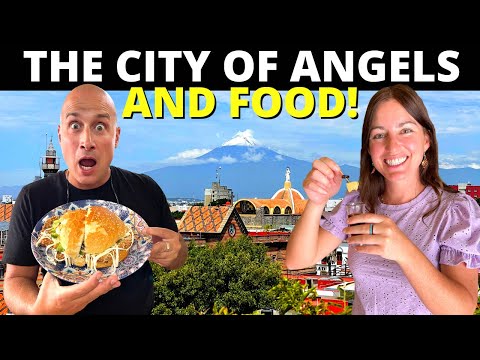
PUEBLA MEXICO (BEST Things to DO & EAT)
The Country Collectors

Puebla Mexico Travel Guide - How To Spend 5 Days, including Lucha Libre!
Travel w/ Jeff

TOP 10 Things to Do in PUEBLA in 2026 🇲🇽
Hello Mexico
Your itinerary
Start your Puebla itinerary
Free to start, no card needed. Your first draft usually takes about a minute.
Plan Puebla free- A day-by-day route shaped around your dates, pace, interests and travel companions.
- Researched cost ranges and travel times for each stop, so a day is realistic.
- Short review excerpts quoted from public sources, each with a link to the original.
- An interactive map with numbered stops and the route between them for every day.
- Full editing control: reorder, swap or lock any item and let the AI reshape the rest.