
South Korea
Seoul
Global K-culture boom fuels surges in culinary and pop-culture trips.
Photo of Seoul by Louie Nicolo Nimor on Unsplash
The short version
Before you plan Seoul
Seoul is a dense, hyper-connected metropolis defined by rapid urban transit, royal Joseon Dynasty architecture, sprawling mountain trails, and a relentless round-the-clock lifestyle. As South Korea's political and creative capital, it combines world-class culinary infrastructure—from bustling pojangmacha tent stalls and subterranean dining halls to Michelin-starred modern gastronomy—with expansive retail scenes and global pop culture hubs. Serving primarily as an intensive cultural city break, it caters exceptionally well to independent travelers, food enthusiasts, design devotees, and nocturnal urban explorers. Travelers navigate an efficient urban landscape marked by tranquil historic alleys, high-density residential towers, and massive transit-oriented districts centered along the Han River basin.
- Best time
- Spring (April–May) and Autumn (September–November)
- Trip length
- 5–7 days
- Currency
- South Korean Won (KRW, ₩)
Practicalities
Know before you go
Best time to visit
Spring (April–May) and Autumn (September–November)
Typical trip length
5–7 days
Getting around
Subway network, city buses, and Kakao T taxis using rechargeable T-money or Climate Cards
Language
Korean
Currency
South Korean Won (KRW, ₩)
Time zone
UTC+9 (Korea Standard Time)
How busy it gets
High year-round; peaks during spring cherry blossoms (April), autumn foliage (October), and major domestic holiday weeks.
Approximate daily budget
Per person, per day. Approximate and season-dependent.
- Budget
- ₩55,000–₩85,000
- Mid-range
- ₩130,000–₩240,000
- Premium
- ₩350,000+
Character
What Seoul is actually like
Food
The culinary landscape spans 24-hour food markets, regional specialty stalls, and interactive communal Korean barbecue eateries across every district.
Shopping
Commercial districts offer vast subterranean shopping arcades, multi-story beauty flagships, and cutting-edge domestic fashion concept stores.
Café culture
Neighborhoods feature an unmatched density of design-forward, specialty coffee spaces with elaborate architectural concepts and house-baked pastries.
Nightlife
Evening venues operate until dawn, ranging from basement indie clubs and craft cocktail lounges to bustling vinyl bars and pojangmacha tents.
Culture & history
Five primary Joseon-era palaces, Buddhist temples, and preserved hanok residential alleys remain seamlessly integrated into the contemporary cityscape.
Nature
Rugged granite peaks such as Bukhansan and Inwangsan provide steep hiking trails and panoramic ridgeline views directly reachable by municipal subway.
Where to base yourself
Areas to know
Hongdae & Yeonnam-dong
A youthful district centered around arts universities, featuring indie music spots, artisan coffee houses, buskers, and vibrant late-night entertainment.
NightlifeIndie ShoppingBudget Stays
Seongsu-dong
A former shoe factory and industrial quarter transformed into a modern creative enclave packed with pop-up showrooms and warehouse cafes.
Cafe CultureDesigner FashionArchitecture
Jongno & Ikseon-dong
A historic central area featuring restored traditional hanok alleyways, long-standing local eateries, artisan craft workshops, and proximity to palaces.
Heritage SitesHanok CafesTraditional Dining
Euljiro
An enduring manufacturing grid dubbed 'Hipjiro,' hiding retro draft beer alleys, speakeasies, and wine bars inside active hardware alleys.
Retro DiningCraft CocktailsLocal Atmosphere
Hannam-dong
A refined hillside neighborhood home to foreign embassies, contemporary art galleries, upscale perfumeries, and modern culinary bistros.
Art GalleriesBoutique ShoppingFine Dining
Local know-how
Good to know
- Download Naver Map or KakaoMap with English settings prior to arrival, as Google Maps offers limited walking and public transit routing in South Korea due to national geospatial mapping restrictions.
- Transit passes such as T-money cards and the short-term Climate Card require cash (KRW) to purchase and top up at physical subway kiosks and convenience stores.
- Many traditional barbecue, braised rib (galbi-jjim), and stew restaurants require a minimum order of two portions (2-inbun) to dine, making solo meals harder at communal venues unless marked for 'honbap' (solo dining).
- Tipping is not customary in restaurants, bars, or taxis and can cause awkward confusion; service charges are already accounted for in bill totals.
- Major royal palaces and national museums have staggered weekly closing days—Gyeongbokgung closes on Tuesdays, while Changdeokgung and Deoksugung close on Mondays.
Is it your kind of trip?
What kind of trip Seoul is
Great for
- Urban culture exploration
- Culinary deep dives
- Public transit navigators
- Late-night food and bar scenes
Good if you prefer
- Dense, walkable urban neighborhoods
- Cashless payment systems
- Extensive cafe hopping
- Fast-paced city life
Consider if you want
- You are comfortable navigating local mapping and translation
- You can handle hilly terrain and extensive staircases across
Where this comes from
- Visit Seoul - Seoul Tourism Organization — retrieved 2026-09-28
- Visit Korea - Korea Tourism Organization — retrieved 2026-09-28
Watch first
Seoul on video

Korea 2026 Travel Guide: Best Places to Visit & Things to Do • Itinerary & Expenses • Budget Vlog
Angelica & Aileen Wanders

SEOUL, SOUTH KOREA (2026) | 15 Best Things To Do In & Around Seoul (+ Travel Tips)
World Wild Hearts
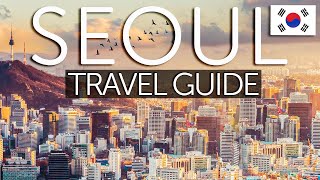
a SEOUL TRAVEL GUIDE 🇰🇷 Where to GO & What to EAT 서울
Paddy Doyle

How to Spend 4 Days in SEOUL South Korea | Travel Itinerary
Exotic Vacation

20 BEST things to do in Seoul South Korea in 2026 🇰🇷
Nomac Guides

Seoul Korea in 5 days, Best things to do in Seoul Korea 2025, Travel Guide by a native Korean
New Yorker Juhui
Your itinerary
Start your Seoul itinerary
Free to start, no card needed. Your first draft usually takes about a minute.
Plan Seoul free- A day-by-day route shaped around your dates, pace, interests and travel companions.
- Researched cost ranges and travel times for each stop, so a day is realistic.
- Short review excerpts quoted from public sources, each with a link to the original.
- An interactive map with numbered stops and the route between them for every day.
- Full editing control: reorder, swap or lock any item and let the AI reshape the rest.